Trama
Art Museum inspired of Mola designs
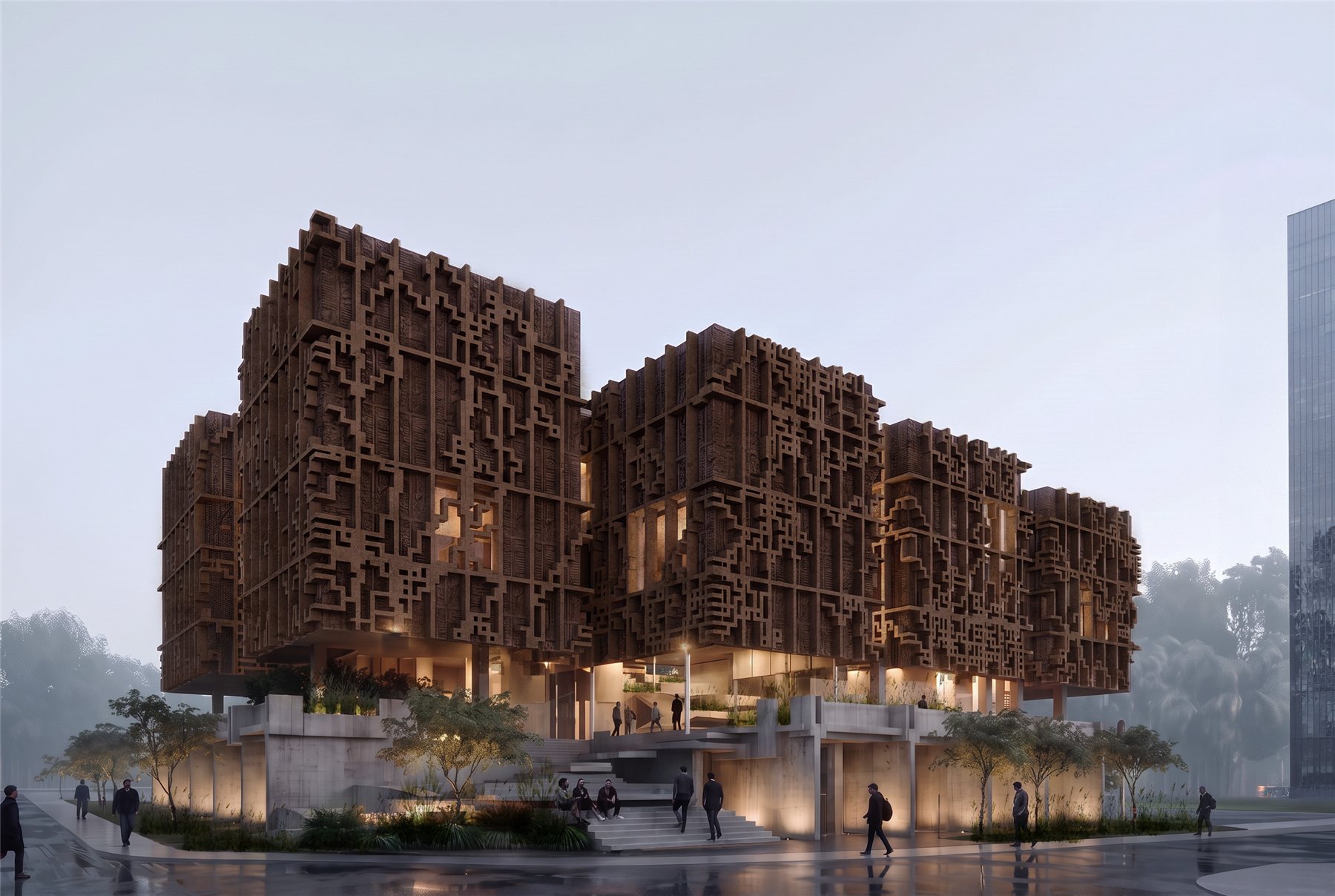
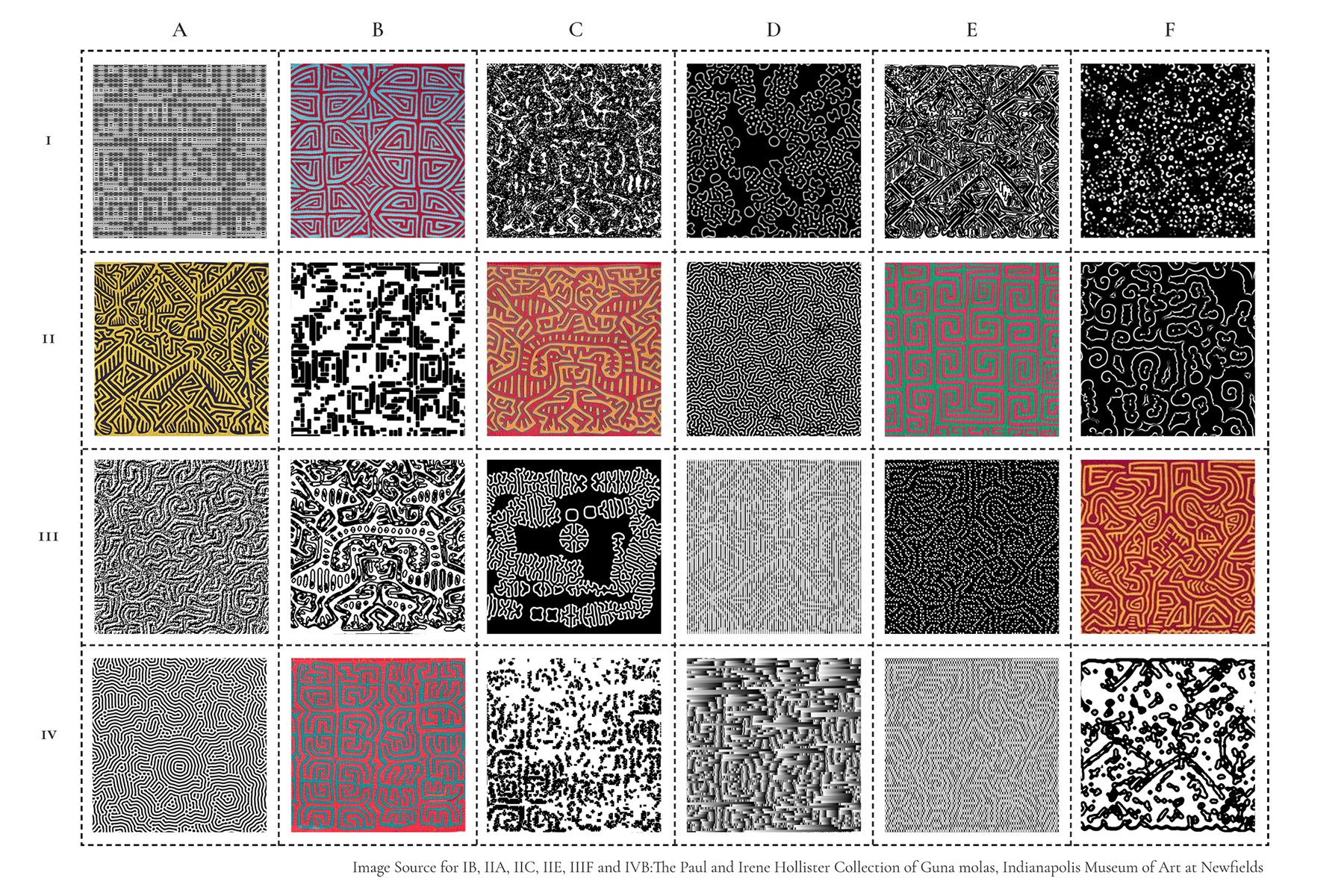
The proposed museum establishes a strong connection between contemporary architecture and local cultural identity by drawing inspiration from traditional Mola patterns. These patterns, originating from the textile traditions of the Guna people, are reinterpreted as a spatial and architectural system. Rather than being applied superficially, the logic of layering, carving, and patterning inherent in Mola compositions informs the overall massing, circulation, and façade articulation of the building.
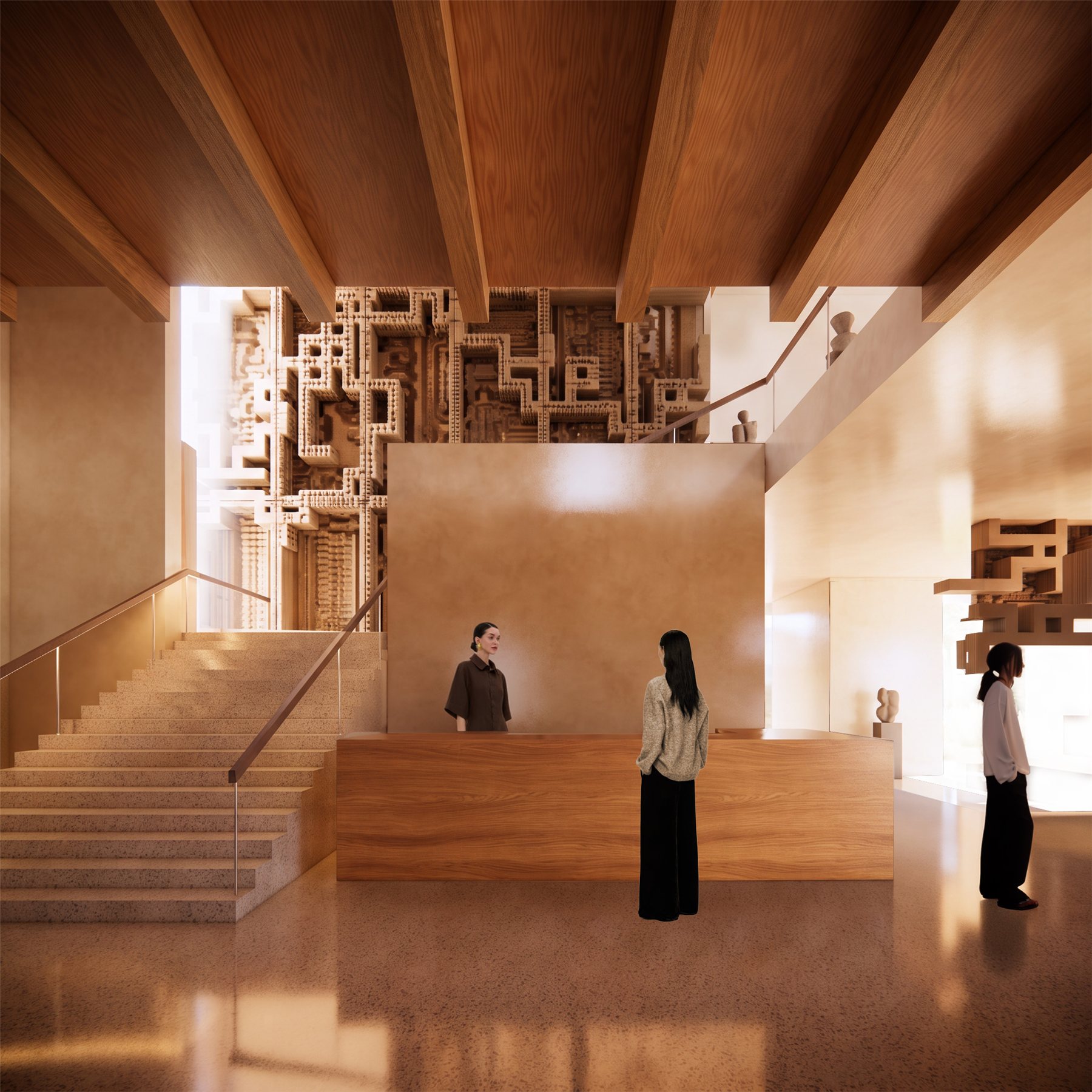
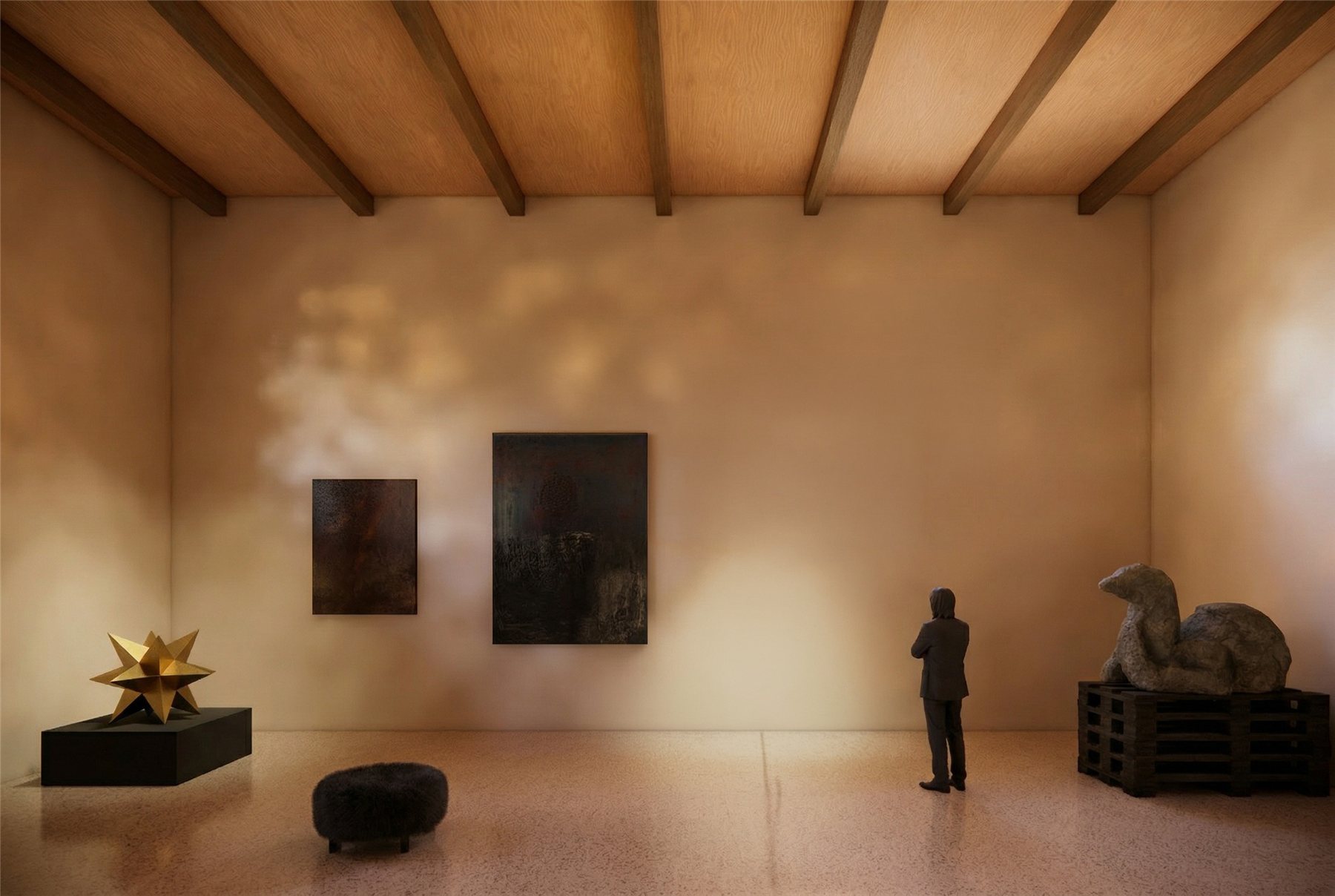
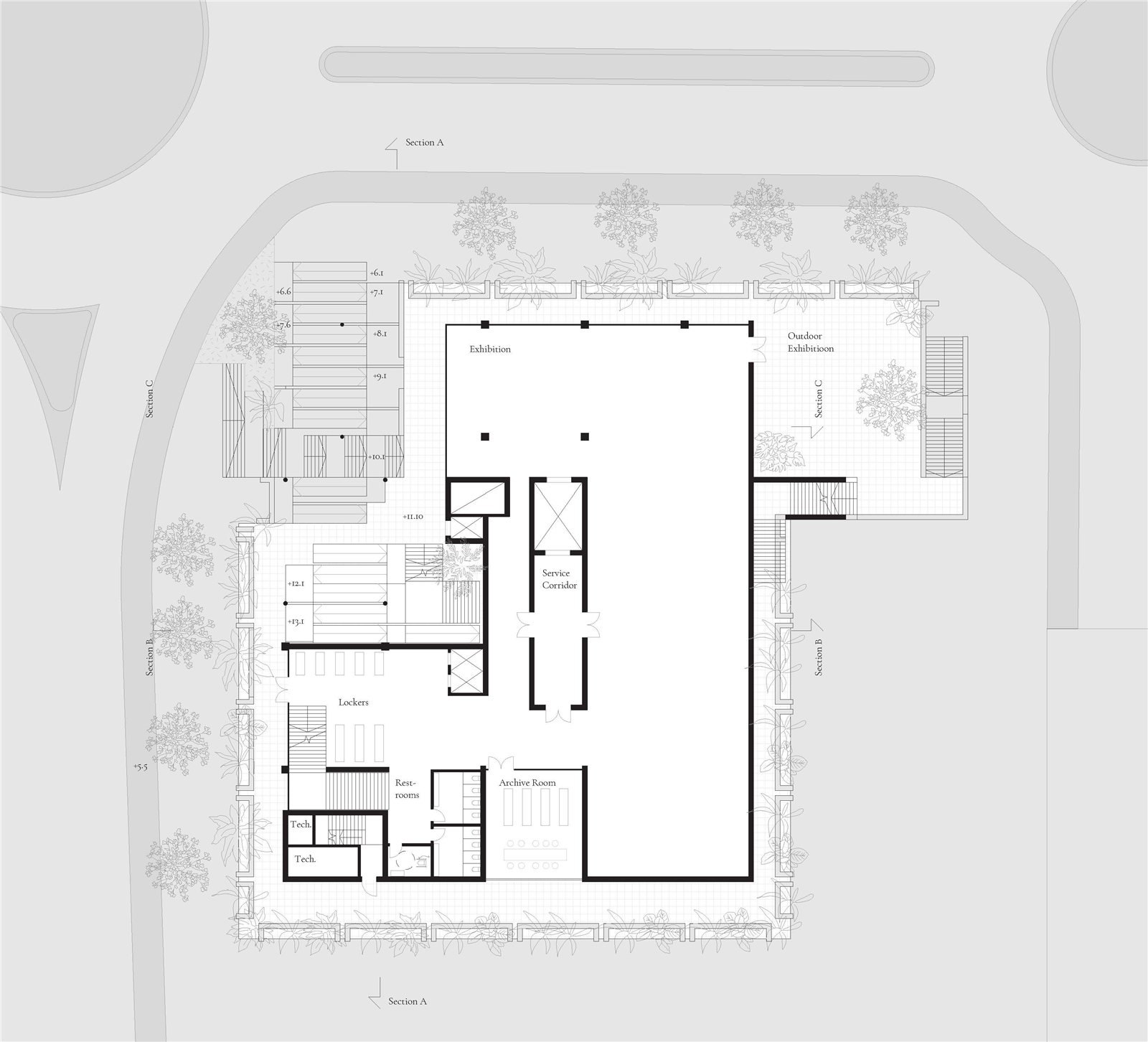
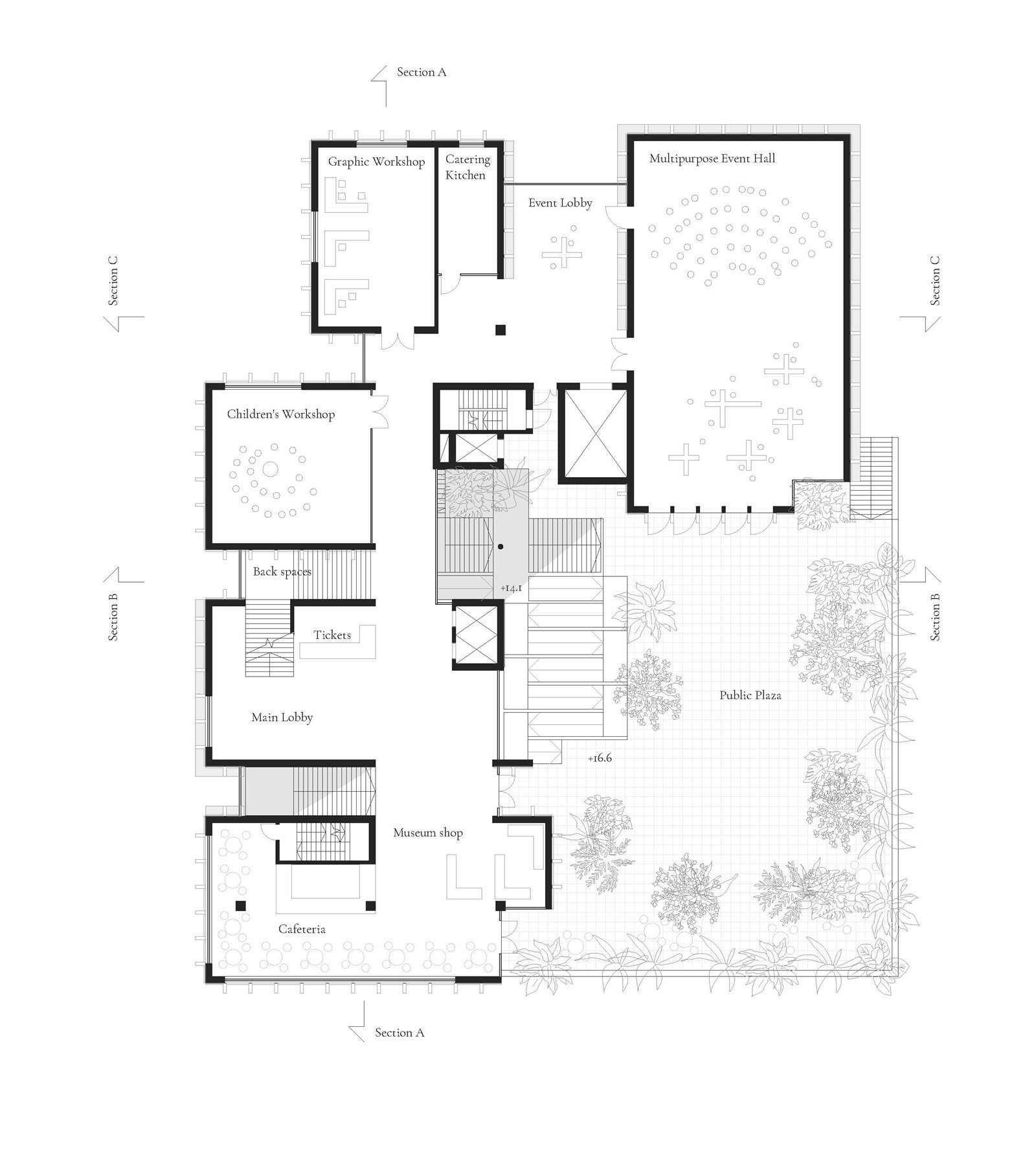
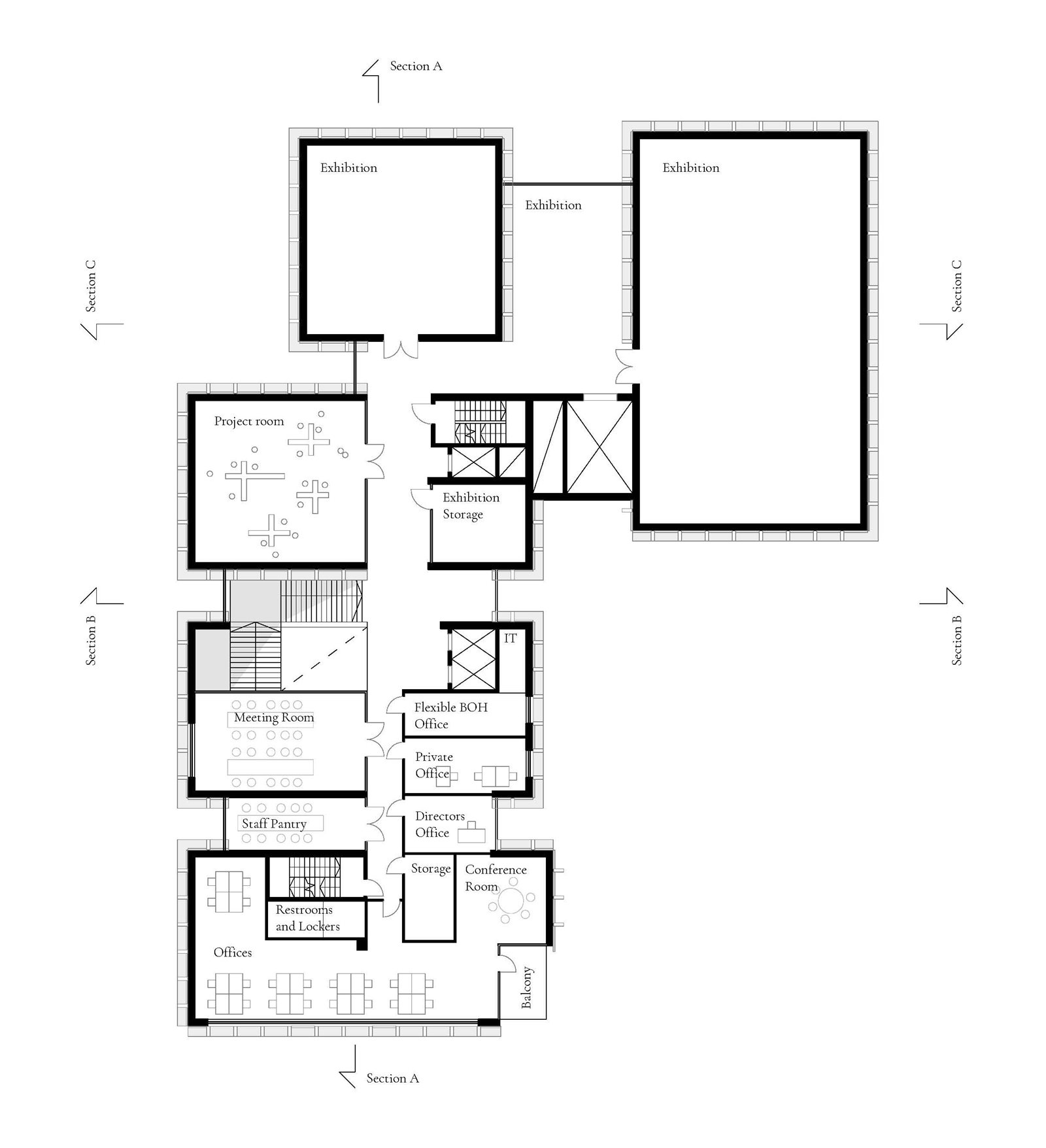
The project is conceived as a sequence of clearly defined volumes. A commercial ground floor platform anchors the building within the urban fabric and activates the street edge. Above this, the lower exhibition level introduces controlled gallery environments. The third level forms the main public plane: a lifted plaza that accommodates the primary entrance, ticketing, multipurpose hall, and public services. The uppermost level contains additional exhibition spaces and office functions. This vertical organization creates a clear hierarchy between public, semi-public, and controlled museum environments.
A central architectural gesture is the introduction of a landscaped pedestrian bridge that cuts through the building mass. Beginning at the north-west corner of the site, this public route gradually ascends toward a raised plaza, establishing visual and spatial connections toward the sea and the Boca la Caja neighborhood. This elevated public space functions as an urban viewpoint and gathering area, while also creating shaded ground-level environments beneath it. The strategy transforms the museum into both a destination and a piece of urban infrastructure, encouraging continuous public use beyond exhibition visits.
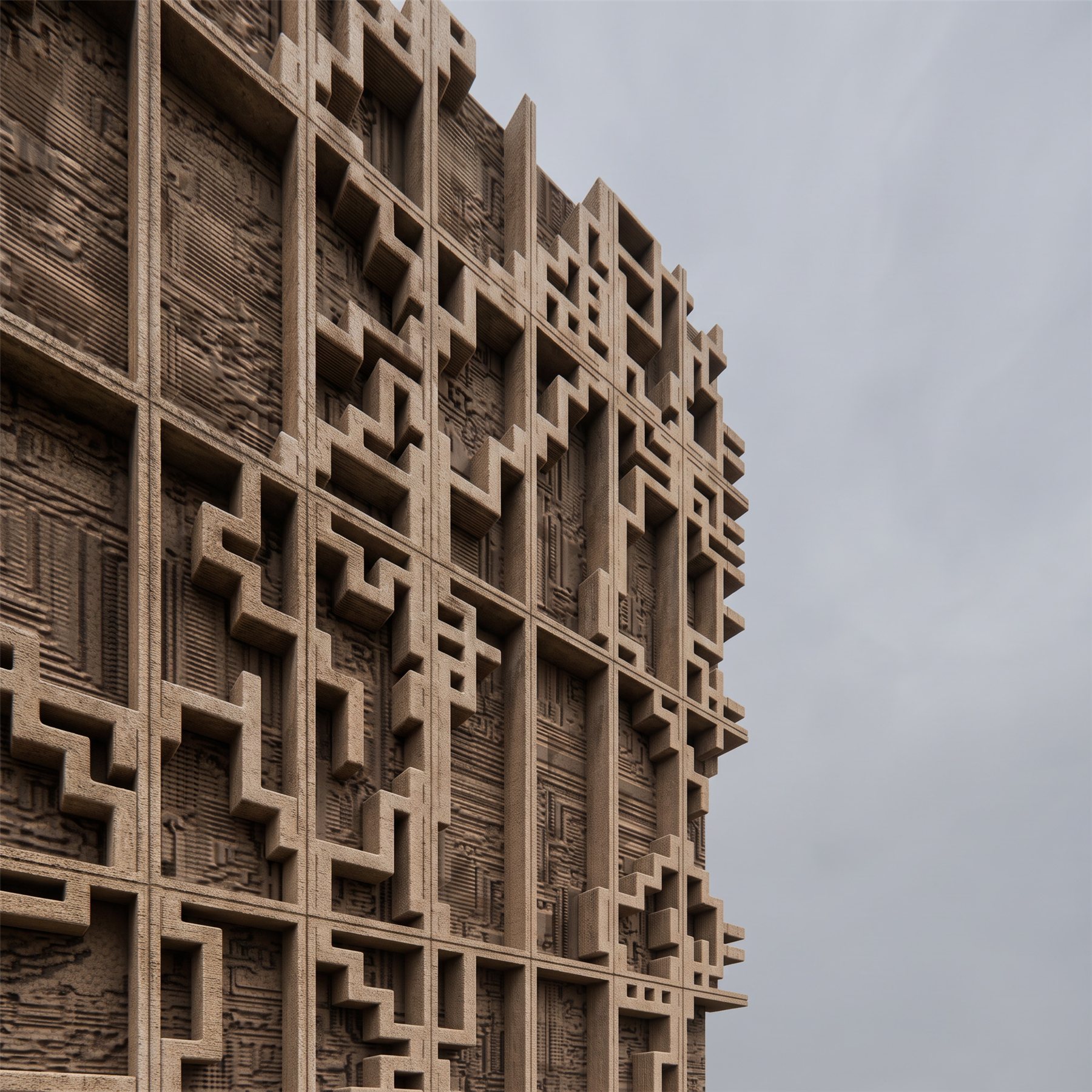
Mola-inspired geometries are embedded in multiple scales of the design. They inform the shaping of the building volumes, the organization of ramps and terraces, and the design of planting areas. Most prominently, they are expressed through a system of three-dimensional façade panels that reinterpret traditional patterns in a contemporary architectural language.